By Amanda Womack, Senior Exhibit Developer
Firing Up the Kiln of Revolution

What does the global trade of Dutch ceramics have to do with the American Revolution?
While developing the museum’s America 250 exhibition, Sacred Liberty—which explores the ways that eighteenth-century colonists engaged with the Bible to make sense of their world—I came across a small collection of English ceramic tiles from around 1740–1770. Having some familiarity with colonial ceramics from an earlier chapter of my career, I recognized the Dutch-inspired figures hand painted in cobalt blue on white, tin-glazed tiles: delftware!
Global Origins
Delftware was inspired by the beauty of Chinese porcelain. Dutch artisans aimed to recreate the look and adapted a clay mixture that could be biscuit fired (the first firing), coated in a thin, white glaze made from tin, painted with striking blue decorations, and then fired again.

Figure 1: Samson Killing the Lion. Image © Museum of the Bible, 2026. All rights reserved.
The blue and white colors remind us of Chinese porcelain at first, but the art style shows Dutch influences, such as the double roundel that contains this scene of Samson killing a lion with his bare hands (Judges 14:5–6).
Delftware gets its name from the Dutch city of Delft. Although Delft was one of the earliest cities to produce these iconic tiles, and a man from Delft may have been one of the first to bring the art form to England, Delft was far from the largest delftware manufacturer. Rotterdam, Amsterdam, and later, London, Bristol, and Liverpool became large production centers. Today, delftware can be found in historic homes in Europe, North America, and South America.

Figure 2: Moses Receiving the Tablets of the Law. Image © Museum of the Bible, 2026. All rights reserved.
This tile features a traditionally Dutch corner motif called an ossenkop, or “oxhead.” “When God finished speaking with Moses on Mount Sinai, he gave him the two tablets of the covenant, tablets of stone, written with the fingers of God” (Exodus 31:18).
The Bible’s Impact in Images
Although it had been centuries since the start of the Protestant Reformation, European populations on the continent and in the colonies were still feeling its aftershocks. One of the outcomes was that Dutch and British citizens were experiencing a more personal relationship with the Bible. While delftware did not always feature biblical art, bijbeltegels, or Bible tiles, brought biblical imagery into the home and were so valued that they commanded the highest prices in the delft tile market in the eighteenth century. Often used as a fireplace surround, the tiles frequently adapted images from illustrated Bibles and visual guides.
In these illustrations, they often saw themselves—sometimes as refugees from religious persecution like the Israelites in the exodus. When struggling with oppression, they drew courage and inspiration from Old Testament heroes like Samson and David. And in the New Testament, they found stories that encouraged them to keep going—like the dutiful servant who stays ready for his master’s return, or Mary, whose fear was replaced by hope when Jesus was resurrected.

Figure 3: David with Goliath's Head. Image © Museum of the Bible, 2026. All rights reserved.
This tile shows the scene after David removes Goliath’s head in 1 Samuel 17:51. The Philistines fleeing after the death of their champion (at left) are painted in a style reminiscent of earlier Dutch prints and tiles. Note the place on Goliath’s head where it was struck by David’s stone.

Figure 4: Christ Appearing to Mary Magdalene. Image © Museum of the Bible, 2026. All rights reserved.
Here, as in other depictions of this scene, Jesus is shown holding a shovel, a reference to Mary Magdalene mistaking him for a gardener (see John 20:14–15).
American Context
Although the tiles in our collection were likely displayed in homes in Britain, delft tiles have been found in American colonial homes and archaeological sites like Jamestown and the South Ferry Terminal Site in New York. While the tiles exhibited in Sacred Liberty demonstrate the types of biblical art displayed in colonial homes, they also bear evidence of how imagery from the colonial world bled into illustrations of the biblical world.

Figure 5: The Dutiful Servant. Image © Museum of the Bible, 2026. All rights reserved.
Jonathan Horne, a specialist in European tiles, identified this scene as the dutiful servant from Luke 17:7–10. Notice the resemblance the drinking vessel on the table bears to an eighteenth-century tankard.

Figure 6: American tankard made by Benjamin Burt, 1763. Image courtesy of the Metropolitan Museum of Art.
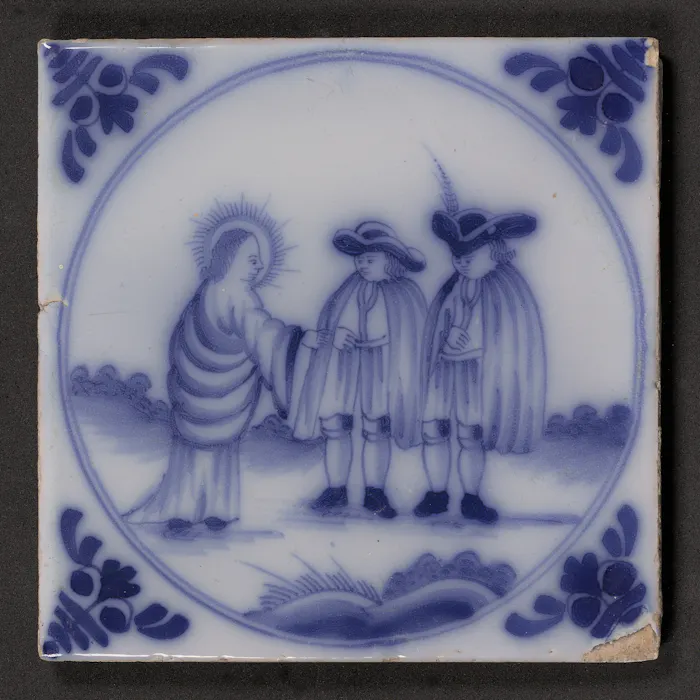
Figure 7: Christ and the Tribute Money. Image © Museum of the Bible, 2026. All rights reserved.
This scene of Christ speaking to two men in contemporary dress was identified in our collection as “Christ and the Tribute Money,” but in other delftware tiles depicting this scene, Peter is usually shown pulling the money from the mouth of the fish. Research suggests that this image of Jesus reaching towards two travelers with his outstretched hand may depict the travelers on the road to Emmaus that encountered Jesus in Luke 24:13–35. One clue is their sad expressions, which evoke verse 17. Regardless of the subject, my favorite thing about this tile has always been seeing how the artist brought Jesus into their contemporary world, where he is speaking with eighteenth-century men in tricorn hats!
This interplay between biblical and colonial imagery is a reminder that no art is created in a vacuum, which is good news for those who look back at the past and attempt to understand what people were thinking and feeling. Visitors to Sacred Liberty will see that just as colonial sermons give us insight into colonists’ response to oppression under King George III, the biblical images that archaeologists and historians find repeatedly in colonial contexts give us insight into how biblical stories may have been interpreted by and inspired colonists on the cusp of the American Revolution.
/
Visit our Sacred Liberty exhibition to see these delftware tiles in person. This is a free exhibit on Floor 1 of the museum and will be open until February 28, 2027.
Based on Your Interests


