Recommended Searches


Women have played critical roles at every point in the Bible’s history—in the pages of its stories, in its journey across the globe, and in its everyday impact—and they will no doubt play important roles in its future. Throughout the month of March, the museum will be sharing some of the stories of women whose lives have intersected with the Bible. Some of these stories will be told at the museum, while others can be explored online. Make sure to plan your visit to the museum this March to take advantage of it all.
Programs at the Museum
Did You Know Sessions
Every Friday from 1:00–1:30 p.m. in the Demo Lab on Floor 4. Learn with our museum educators and curators about artifacts with special significance to women's history.
View the list of sessions.
Pop-Up Sessions
Join our curators or visiting scholars for these short and engaging presentations.
View the list of sessions.
Voices of Legacy: The Bible as a Compass
Join us for a series of live performances from our Living History Interpreters as they tell the stories of women who used the Bible to navigate important moments in history.
Learn more.
Museum Tours
Let our museum educators show you some of their favorite artifacts relating to women's history.
Learn more.
Online Engagement
Museum of the Bible Magazine
Rad about the Bible's role in the lives of influential women.
Learn more.
Book Minute
Enjoy these short videos showcasing the Bible in the lives of women throughout history, from Abigail Adams to Mother Teresa.
Learn more.
Did You Know Sessions
-
The Megiddo Mosaic: Faith of Our Mothers
March 7 at 1:00 p.m.
Join Senior Curator Brian Hyland for an insightful exploration of the role of women in the early church as revealed through the intricate details of the Megiddo Mosaic. This discussion will delve into how the mosaic, one of the earliest-known Christian worship spaces, provides evidence of women's active participation in early Christian communities and their influence on religious practices. Hyland will guide you through the historical and artistic context of the mosaic, shedding light on the often-overlooked contributions of women in the ancient world.
-
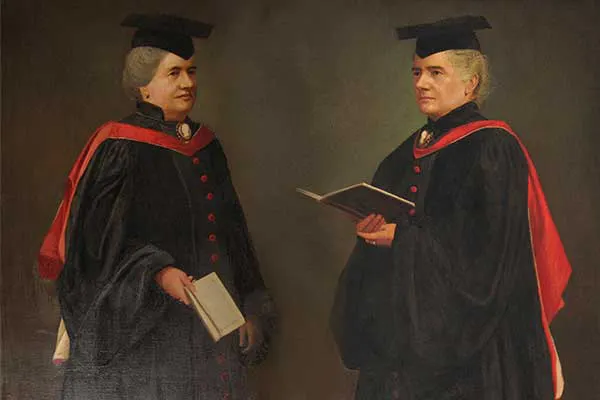
The Codex Climaci Rescriptus: The Adventures of the Sisters of Sinai
March 14 at 1:00 p.m.
Join members of the Education Department for a fascinating deep dive into the lives and groundbreaking work of Agnes and Margaret Smith, two pioneering biblical scholars of the nineteenth century. Learn about their contributions to the field of biblical translation and scholarship, and how their work challenged the norms of their time. This conversation will highlight their legacy, the challenges they faced as women in a male-dominated academic world, and the lasting impact of their scholarly achievements on modern biblical studies.
-
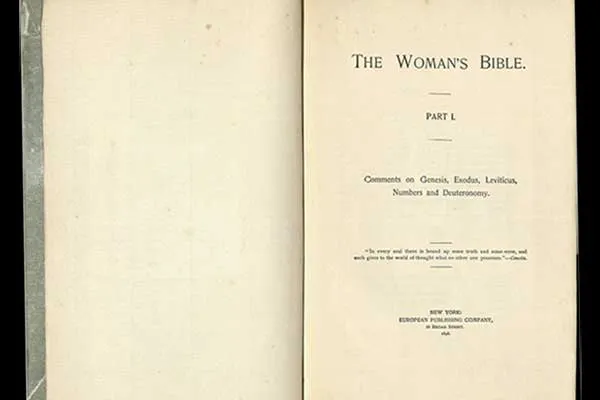
Elizabeth Cady Stanton's "The Woman's Bible"
March 21 at 1:00 p.m.
Join members of the Curatorial Department for a compelling discussion on The Woman's Bible, a bold and controversial work authored by Elizabeth Cady Stanton in 1895. This publication sought to re-interpret and challenge traditional biblical perspectives on women, sparking both intense support and fierce criticism. Discover the historical and cultural significance of the work and how it reflects the larger feminist movements of the time.
-
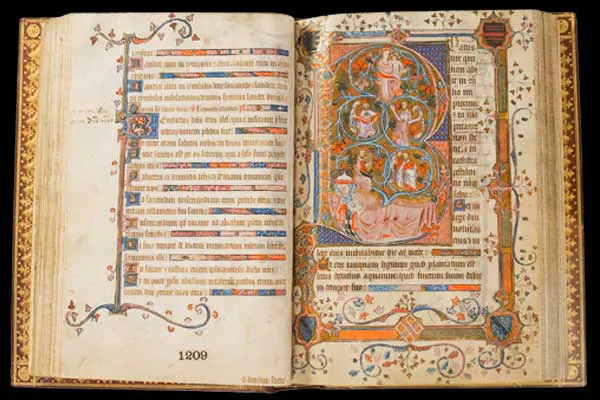
The Hours and Psalter of Elizabeth de Bohun
March 28 at 1:00 p.m.
Join Senior Curator Brian Hyland for an exploration of the stunning Hours and Psalter of Elizabeth de Bohun, a beautifully illuminated manuscript from the fourteenth century. Hyland will guide you through the artistry and symbolism embedded in this luxurious book of hours, revealing its fascinating backstory, from its creation to its significance in the medieval period. Learn about the patronage of Elizabeth de Bohun, the wife of an English nobleman, and the intricate details that make this manuscript a treasure of both historical and artistic value.
Pop-Up Sessions
-
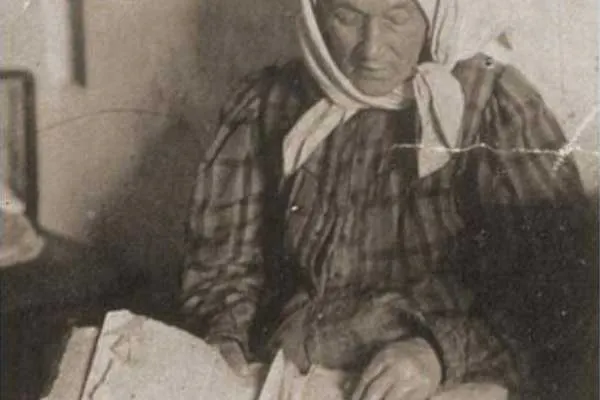
"Go forth, O ye daughters of Zion, and behold": How Early Modern Jewish Women Studied the Bible
March 20 at 1:00–1:30 p.m., Floor 2
In Eastern Europe in the early modern period, Jewish women were, for the most part, not taught to read or understand Hebrew. Join curator Jesse Abelman as he talks about a Yiddish adaptation of and commentary on the Hebrew Bible called, Tze’enah u-Re’enah (Go Forth and Behold), which was one of the most popular ways women gained access to the text of the Bible during this period.
Living History Interpreters
Voices of Legacy: The Bible as a Compass
Throughout the month, the Education Department’s living history interpreters will present a series of performances in which you will hear from voices of women who were impacted by the Bible, and who, in turn, impacted the world.
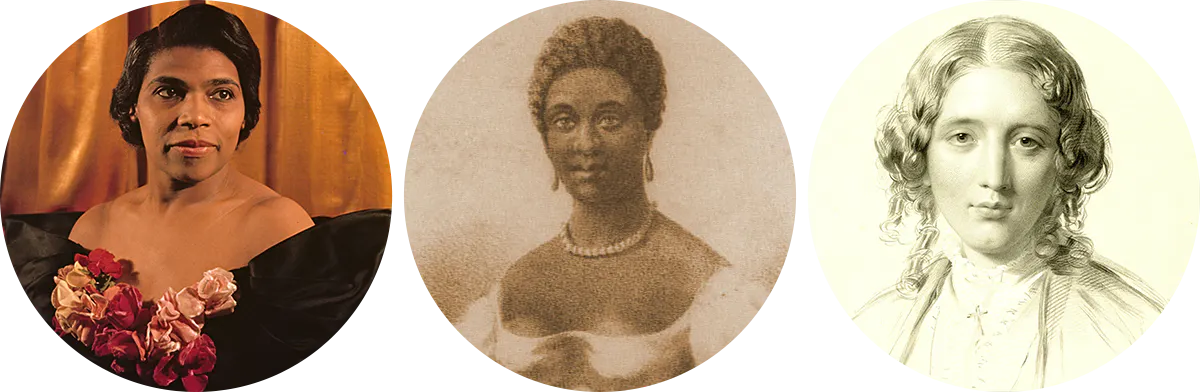
Voices of Legacy: The Bible as a Compass
March 7, 8, and 28
Performances at 3:00, 3:30, and 4:00 p.m.
Floor 2
Marian Anderson: A renowned American contralto who sang around the world, trace her musical roots back to her time singing at the Union Baptist Church in South Philadelphia.
Harriet Beecher Stowe: An author and abolitionist, she penned the well-known novel Uncle Tom’s Cabin, which highlighted the atrocities of slavery and made biblical arguments against its practice.

The Story of Esther
March 7, 8, 14, and 15
Performances at 3:00, 3:30, and 4:00 p.m.
Galilee Theater, Floor 3
Each year it is the Jewish custom to read the story of Esther during Purim. This biblical account shares how Esther became queen and saved the entire Jewish nation. In this telling you will see how Esther, associated with beauty and grace, worked with her cousin Mordecai to foil the plans of wicked Haman. Guests get to join in the fun by celebrating Mordecai and booing Haman. Join us for this interactive presentation of the story of Esther.
Tours and Family Activities
-
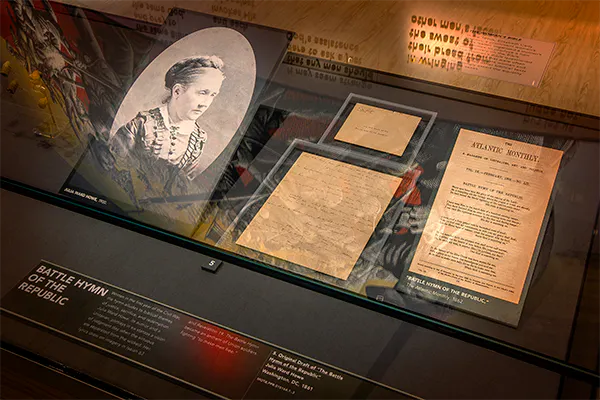
Women Impacted by the Bible Tour
Thursdays and Fridays in March, 2:00 p.m., Floor 1
Embark on an inspiring journey through history as we delve into the lives of seven remarkable women who were impacted by the Bible. From writers to saints, explore the courage, wisdom, and faith of these women and discover their profound impact on the world. Led by members of the Education Department, this tour offers a fresh perspective on the powerful legacies of these women.
Sign up at the Ticketing counter when you arrive at the museum.
Online Engagement
-
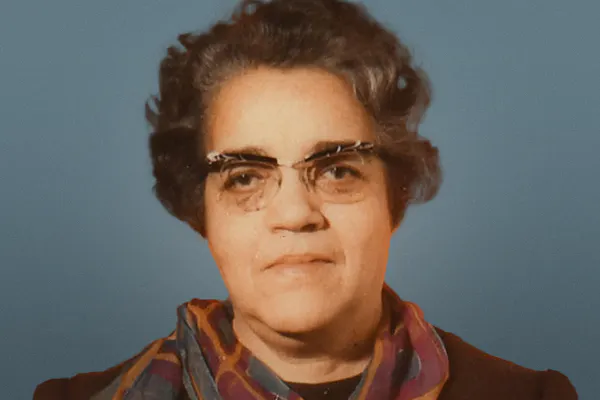
Dorothy Vaughn
Read about NASA “Hidden Figure” Dorothy Vaughan and her story of breaking barriers and playing a critical role in putting man on the moon.
-
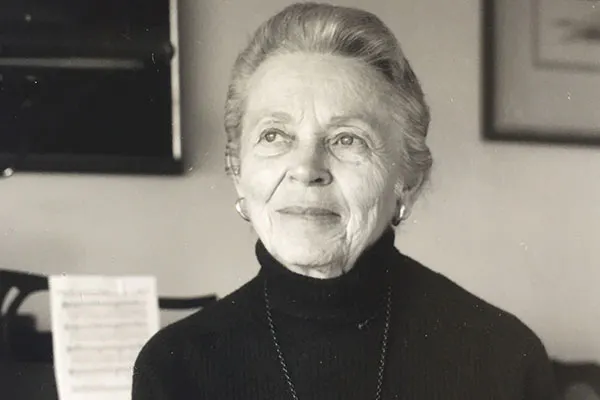
Elisabeth Elliot
Read about the many Bibles of missionary and author Elisabeth Elliot in Museum of the Bible Magazine.
Book Minute
Learn more about women's history and the Bible from our Book Minute program.